

Every Thursday I look back to the past.
This saturday, January 10, will mark the tenth anniversary of David Bowie‘s passing. I have written about Dave and Steph’s relationship with Bowie on this blog before, which started when he discovered ‘As Heard On Radio Soulwax Pt II’ and called the brothers ‘the future of music’ when he invited them on this French TV show.
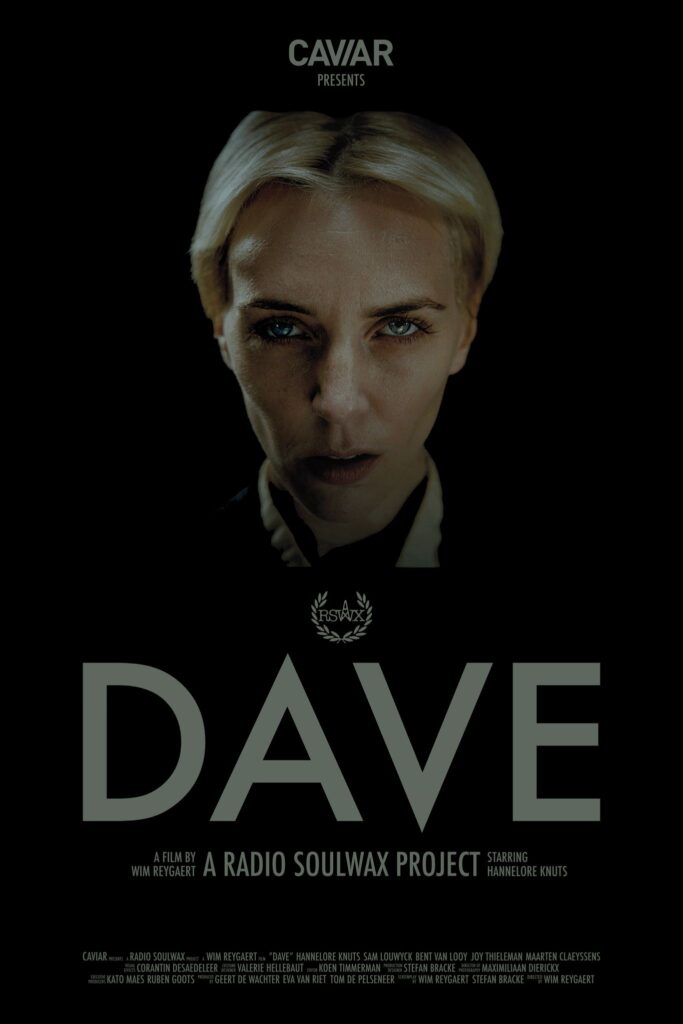
Ten years later, in 2012, they payed hommage to the thin white duke by releasing ‘DAVE’ as part of their Radio Soulwax mix hours.
DAVE is the 23rd hour of a total of 24 themed albums by RADIO SOULWAX, each containing a one hour mix of exclusive and uniquely created audio and visual content. DAVE is a tribute to David Bowieʼs career. The film is a CAVIAR production for RADIO SOULWAX directed by Belgian director Wim
Reygaert and features Hannelore Knuts in the leading role.

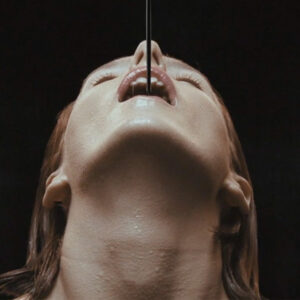
In this film, we follow Dave (who looks a lot like David Bowie) through a fever dream about his life and career. Reality gets mixed up with stories and elements from his music and lyrics in a way thatʼs only possible in movies.
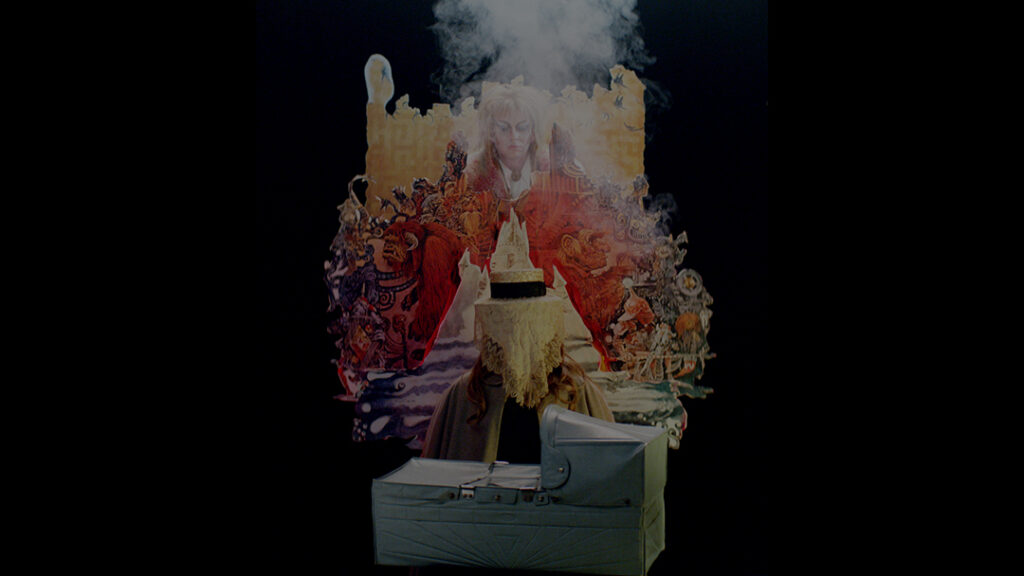
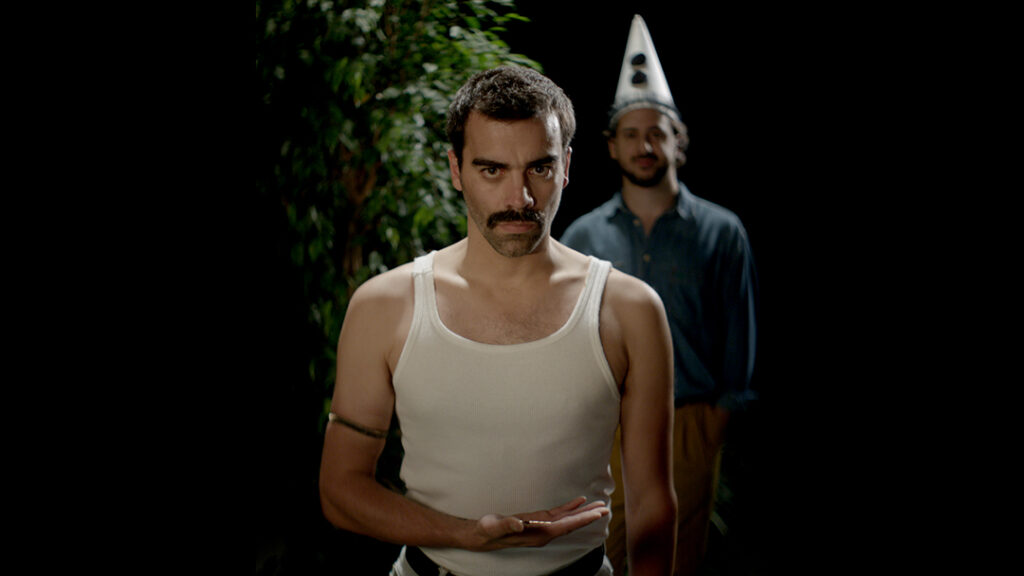
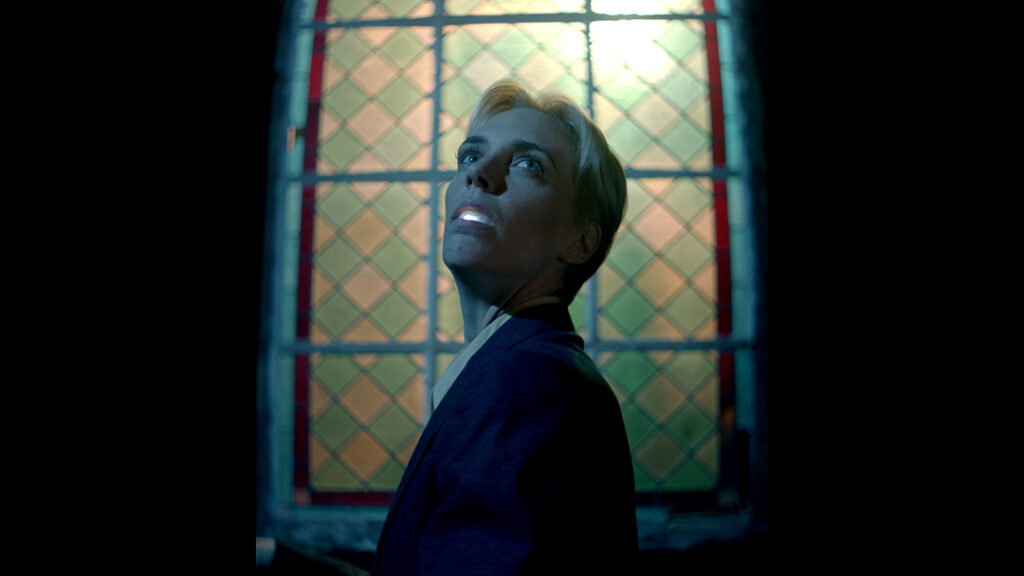
In the dream, Dave is a private eye who can travel through time. His mission is to track down and exterminate all other versions of himself.
If he fails, the world as he knows it will cease to exist. It looks as if he will succeed, because he successfully chases and erases two of his impersonators. But the third one turns out to be a bit harder…
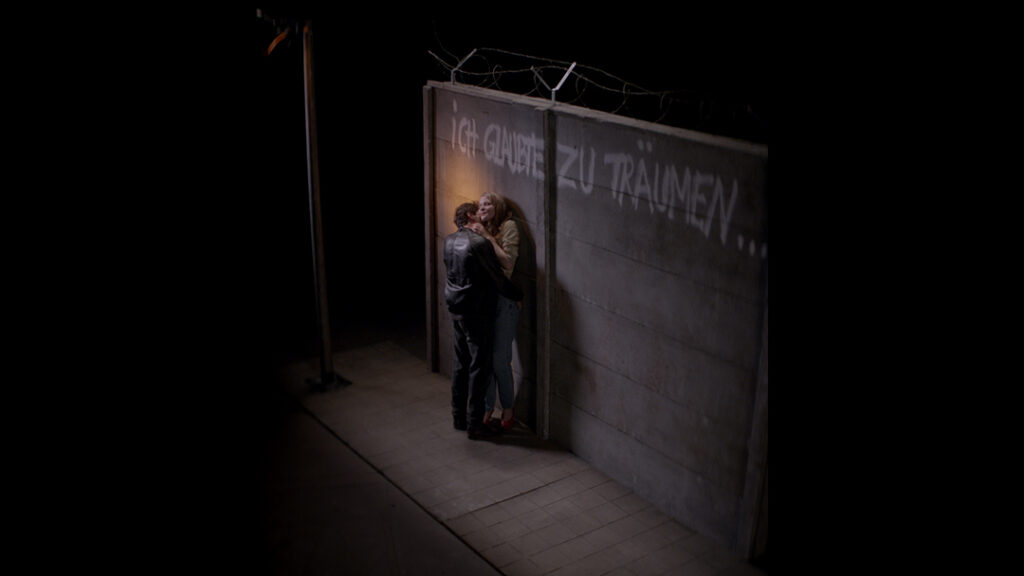

Of course, Dave is not a regular film. Normally, the director writes a script, shoots the images, and around the time he starts editing, he can start adding music, tries different things, sees what works best.
But here, the soundtrack was already there, and Reygaert had to squeeze in a
story. This means that the whole structure was already there and very rigid.
The story started taking shape around the sound and whatʼs said in the songs.

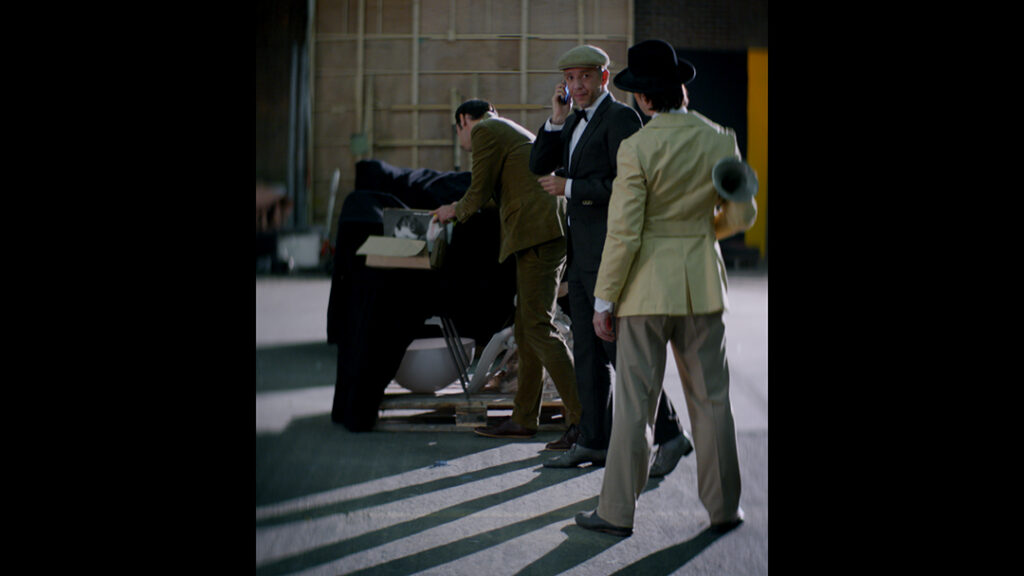
Stylistically, Dave is a follow-up to “Into the Vortex”, the first film Reygaert made for Radio Soulwax. During this walk through one of the last album sleeve factories, we see album cover after album cover come to life, all in life size version.
In “Dave”, Reygaert follows the same techniques, but since there is a main character involved now, thereʼs a new emphasis on Dave and his adventures.”
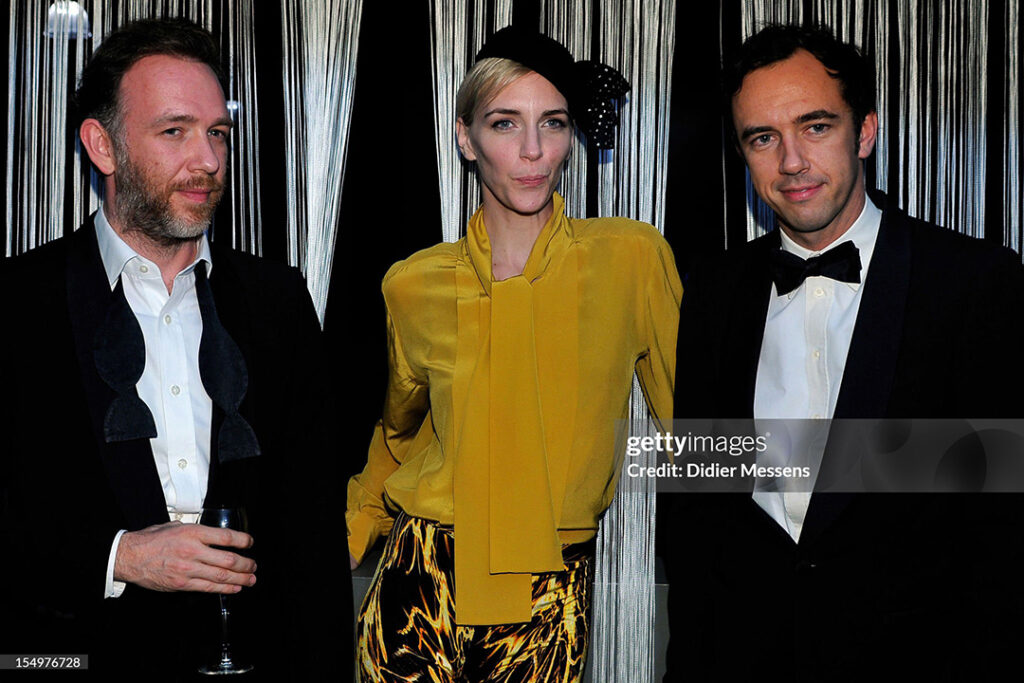
The worldpremiere of Dave took place at the 39th Ghent Film Festival on October 18, 2012 in Ghent, Belgium. I was there to attend the screening, and it was quite an experience seeing the movie on the big screen.
Here’s part of an interview leading up to the premiere in 2012:
Why David Bowie?
Stephen: “We regularly provide the music for Dries Van Noten’s fashion shows in Paris. We had already made a mix of Roxy Music and David Sylvian, and this time Dries wanted us to do something with Bowie’s ‘Heroes.’ We got permission from the man who holds the rights to that song to make one version, to be played one time. We were sent all the separate tracks of that song, and every channel we opened made my hair stand on end. We’ve remixed the Rolling Stones in the past, but this sounded so good, so perfect, that it made us both a little dizzy.
“In music history, people constantly refer to The Beatles and The Stones, but for me, Bowie is at least as important. His work from the 70s and 80s influenced everything and everyone. Aside from the fact that Bowie is the best singer of his generation, you can’t ignore that he also writes fantastic songs. I know few artists who have pushed the urge for innovation so radically while simultaneously maintaining such a high standard of quality. Don’t forget that today it’s not just about music anymore. You can act, be a model, produce, compose for others, and work as a session musician. Bowie was truly a pioneer in that.”
Yet Bowie seems a bit forgotten.
David: “It’s his own choice to disappear from the spotlight a bit. Recently there was a lot of fuss because he refused to close the Olympic Games closing ceremony. He doesn’t need that, right? And in the end, they used ‘Heroes’ anyway.”
Stephen: “Bowie distances himself from everything. His career is also very complex. There are songs he no longer owns the rights to because his manager at the time ran off with them. Rumor has it, by the way, that after years he is working on a new record again. But whether that’s true? You could also argue that he has made enough fantastic music already. Listen to ‘All The Young Dudes’—a gift for Mott The Hoople—and your jaw drops. Or look up his collaborations with Iggy Pop and Lou Reed. It’s almost out of this world.”
Iggy Pop also appears in the film, and there is a reference to Lou Reed. Is Bowie the most talented of the three, in your opinion?
David: “Bowie has certainly always stayed one step ahead of the others. He hears something that intrigues him, falls in love with it, circles around it for a bit, and eventually creates something even better based on it.
“Also important: he makes the others sound better, too. Lou Reed recorded Transformer, his best record, with Bowie, and Iggy Pop’s most interesting solo work also bears his stamp. He brings out the best in others, and at the same time, it yields results for him too. That’s very impressive.
“You also can’t say that Bowie just recorded some carbon copies of Kraftwerk during his Berlin period. He truly made that music his own. Mick Jagger also knew who to hang out with back then, but with him, that interaction was much more one-sided. The only one who benefited was Jagger himself.”
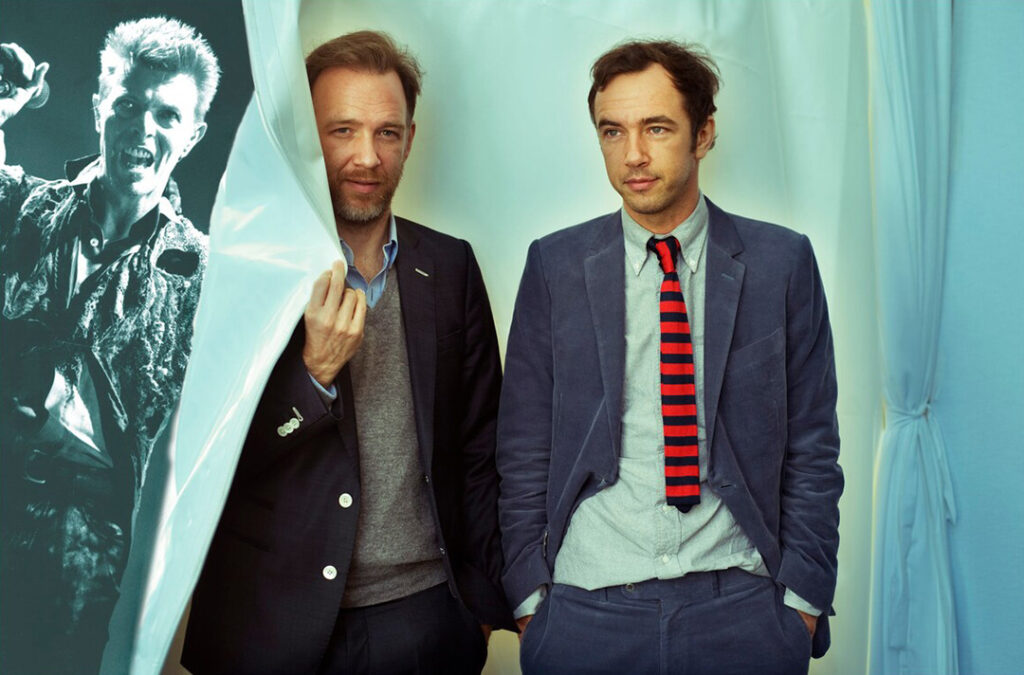
Can you describe what influence Bowie had on your own musical development?
David: “I think everything we hear seeps into our own music in one way or another. That applies to Bowie as well as the Pet Shop Boys.”
Stephen: (Gulping) “Of all the names you could drop, you pick out the Pet Shop Boys. Thanks, man. This is really super embarrassing.”
David: “I just mean that we let ourselves be influenced by everyone, consciously or unconsciously. But to answer the question: Bowie never chose the easy path, and I dare to think we don’t either. In the mid-70s, he stopped and went to Berlin to make music that went completely against the grain. And he has basically made those kinds of decisions constantly.”
It turned out to be a stroke of genius, but whose idea was it to have Hannelore Knuts step into the shoes of David Bowie?
Stephen: “Initially, we played with the idea of shooting this film in England. We wanted the Bowie figure in there, but the character shouldn’t be too close to the real one. That’s why we thought it was a good idea to have him portrayed by a woman. First we thought of Tilda Swinton…”
David: “…but in the end, Hannelore did it much better.”
Stephen: “Can I first explain how we got there? I want to emphasize that Hannelore was not a second choice. It wouldn’t be nice for her if that impression was created. We had mentioned the idea for the film to a few people, and everyone seemed very interested in participating. Then director Wim Reygaert let us know he really wanted to do it. We already knew him, and during one of the brainstorming sessions, he came up with the idea to involve Hannelore.
“Two weeks after we asked her, she sent a photo where she had adopted a Bowie look. That one image said it all, so then we knew for sure we had chosen well. And on set, she did ten thousand times better than we had dared to hope.”
The film doesn’t tell a linear story. The images illustrate the music, but it’s not a standard music video.
David: “Radio Soulwax revolves around two parameters. There is the audio mix, obviously. But besides that, there is the visual part where everything revolves around the record sleeves of the songs you are hearing at that moment. Wim took that idea much further by turning them into actual scenes time and time again. The whole film is full of small references that I suspect only the freaks will understand. I already know we’ll get criticism for that. The fun part is that our director wasn’t even such a big Bowie fan. I found it fascinating to watch him develop his own vision of the music.”
Stephen: “It was also a coincidence that Bent Van Looy got involved in the project. Because I had him in my head as Bowie for a long time, and this project started at a time when he happened to be playing with us. There was also no budget at all to make a film. Almost everyone did us a favor. The film itself was shot in six days. Though months of preparation preceded it.
“Although I must admit that without the help of the production house Caviar, it would never have worked. They ended up doing most of the work.”
Is it important that Bowie gets to see the film himself?
Stephen: “We are going to send him the film next week. He once invited us to a French television program, so he knows who we are. But of course, just because Bowie thinks we’re cool doesn’t mean he automatically thinks everything we do is ‘the max.’ Now, in itself, that doesn’t matter. This is just our tribute.”


Leave a Reply